August 14, 2015

Perennials on Sale!

For a limited time, our entire selection of perennials and ornamental grasses is on sale—Buy 3, Get 1 FREE! Take advantage of the discount on any of the items listed below. Sale is limited to stock on hand and may not be combined with any other discounts. Sale ends 9/5/15.

  • Ajuga 
  • Arabis (Rock Cress) 
  • Armeria (Thrift) 
  • Asiatic Lilies 
  • Astilbe 
  • Bleeding Hearts 
  • Brunnera 
  • Campanula (Bellflower) 
  • Cannas 
  • Columbine 
  • Coreopsis 
  • Crocosmia 
  • Daylilies 
  • Dianthus 
  • Echibeckia 
  • Echinacea (Coneflower) 
  • Euphorbia 
  • Ferns 
  • Gaillardia 
  • Hardy Fuchsias 
  • Hardy Ice Plant 
  • Helenium 
  • Hellebores 
  • Heuchera (Coral Bells) 
  • Hibiscus 
  • Hostas 
  • Lavender 
  • Leopard's Bane 
  • Monarda (Bee Balm) 
  • New Zealand Flax 
  • Ornamental Grasses 
  • Peonies 
  • Phlox 
  • Rudbeckia (Black-Eyed Susan) 
  • Salvia (Sage) 
  • Sedum 
  • Shasta Daisies

Plant Now for a Fall Harvest


Echinacea 'Sombrero Salsa Red'--perfect
for late-summer color!

I love the month of August for many reasons—the upcoming Northwest Washington Fair, late-summer perennials full of color in the garden, and the slight change in the air that signals a new season drawing near. This year, as we anticipate the arrival of autumn (perhaps more eagerly than usual after a long, hot season!), we have much to look forward to. As you seek to revive a summer-weary garden, here are a couple of things you can do now. 

First, it’s time to start planting your vegetable garden. Yes, you read that right. Rightly so, we often focus on planting vegetable gardens in spring, but autumn can be just as productive in the garden for cool-season crops, and August is the time to plant. Chances are, if your garden turned out like mine this year, your spinach, lettuce, peas and other cool-weather crops wilted, went to seed or simply finished out much too soon in the early-summer heat. If so, now is the time to replant. 

The best crops to grow for an autumn harvest are cool-weather lovers. These include lettuce and spinach, “cole” crops such as kale, broccoli, cauliflower and cabbage, and other favorites like peas, beets and radishes. Depending on what you plant, some of these crops will produce well into autumn and even beyond the first frost, which typically arrives in late October or early November. Talk about extending the gardening season! 

Now, as with spring planting, your fall garden will only be as good as your preparation. Reinvigorate your soil before planting by amending it with Black Gold Soil Conditioner, available now at the nursery. This powerful soil amendment provides organic fertilizer, earthworm castings and peat moss to loosen hard soil and provide fresh nutrients to your plants as they grow. Spade this soil amendment into your garden before planting and revive soil that’s depleted from your spring and summer crops. 

When it comes time to plant—to be clear, that’s anytime yet this month—one significant difference you’ll find from spring gardening is the lack of availability of vegetable starts. While you’ll find veggie starts at every nursery, farm store and supermarket in spring, there’s not much to be found in late summer. But that’s okay! Summer’s warm garden soil makes for an ideal environment for growing plants from seed, so save the money you’d spend on veggie starts and stop by Vander Giessen's to pick up some packs of seed to plant. 

If you’re like many of the gardeners I’ve talked to, the vegetable garden isn’t the only area looking tired after a long, hot summer. Like so many things, flower pots and hanging baskets are looking worn, too. For the next couple weeks, we’re in the no-man’s land of flowers—you won’t find any summer annuals for sale anymore, but it’s still too early for fall flowers. So, what to do?

Echinacea have been hugely popular for the last several years, and rightly so. Commonly called coneflowers, these perennials come in a myriad of colors and sizes, and if your pots or gardens are looking tired, add some color with one or more of these great plants. ‘Sombrero Salsa Red’ is a compact variety that grows just two feet tall with fiery red blooms that will spice up your summer container and blend well with fall flowers. Gaillardia is another perennial with all-summer color. At just over a foot tall, its shades of red, orange and yellow look stunning in late-summer container plantings.  

With just over a month left before autumn arrives, now is the time to begin planting for a bountiful and beautiful season ahead!

July 29, 2015

Rhodies, Azaleas & Pieris on Sale!

'Hotei' rhododendron--an eye-catching yellow variety!
Here in the Pacific Northwest, one the hallmarks of a "northwest garden" is the unassuming rhododendron. Indeed, it's a must-have for any garden, as are azaleas and pieris. With evergreen foliage, these plants make excellent anchors for the flowerbeds around your house, providing much-needed color during the winter months when perennials have died back and deciduous shrubs have lost their leaves.


Right now at the nursery our entire selection of rhododendrons, azaleas and pieris is on sale--and we have a great selection of healthy, colorful plants to choose from! From classic red rhodies and pink azaleas to more unique yellow rhododendrons and azaleas with variegated foliage, we have a plant sure to fit your taste. And with many dwarf and slow-growing options available, you'll never have to worry about your plants overtaking your garden.

'Little Heath' dwarf pieris grows just 2-3' tall and wide
In the category of pieris (also known to many as 'Andromeda'), we have 7 varieties available, including the ever-popular dwarf 'Little Heath' with its variegated foliage, the new 'Katsura' with pink flowers in late winter and mahogany-colored new growth, and classic varieties like 'Forest Flame' with fiery-red new growth throughout spring and summer.


For a limited time, save 25% off our entire selection of these quintessential garden plants for a Pacific Northwest garden. Remember, summer is still a great time to plant as long as you remember to water--and be sure to treat your plants with Superthrive or Vitamin B-1 to promote fast rooting!

July 22, 2015

Keepin' It Green


What a summer it’s turning out to be—and there's still plenty of it left! While long-term forecasts can be wildly off, if this summer’s dry weather pattern holds, it may be awhile before we see any worthwhile amount of rain. So, as you take care of your yard and garden, what can you do to keep things green while also being water-wise?

First, remember that it’s almost always better to water less often for longer amounts of time. The exception to that rule is newly-planted grass or plants. For anything with a developing root system, avoid wide swings between wet and dry; once established, though, grass and plants will develop stronger, deeper root systems with less frequent but longer soaking. 
Pick up an easy-to-use water timer for your
hoses at Vander Giessen's and never worry
about forgetting to water again!

If you don’t have an irrigation system for your shrubs and perennials, use a soaker or weeper hose to deeply water your beds to a depth of six inches as needed or one to two times a week. Once you’ve determined how often and for how long you need to water your plants, attach a battery-powered timer to your hose to simplify the process and ensure faithful watering even when you’re on vacation.
  
Second, water at the right time of day. While a cool shower may feel great for people and pets on a hot summer afternoon, mid-day watering for your lawn and plants can waste a lot of water due to evaporation. Rather, schedule your watering for early morning, and if necessary, water containers or hanging baskets again in the evening. If at all possible, avoid watering your lawn in the evening as grass that remains wet overnight is more susceptible to disease. 

Third, add a fresh layer of bark mulch or compost to your flowerbeds. While most people add mulch for the beauty and added curb appeal it provides, in does a lot more than just improve the looks of your yard. A three inch layer of mulch spread in your beds will help hold moisture, reduce weeds and stop your soil from compacting, which prevents water from absorbing. If it’s been a couple of years since you last added mulch around your plants, doing so can reduce the water needs of your plants by as much as 25-50%, so don’t miss out on this great way to both save water and beautify your yard in one step.

Superthrive reduces transplant
stress and promotes fast rooting
for all of your plants.

Now, the most common time for planting shrubs, trees, and perennials is during cool, damp weather—early to late spring and again in the autumn—but sometimes you either find a plant you can’t live without or you simply want or need to plant in summer. If so, no worries—you can do it! In reality, planting in warm summer soil will allow your plants to root out faster than any other time of year.

To ensure a smooth transition from a nursery pot into the ground, I always use a transplant solution such as Vitamin B-1 or Superthrive. Both of these products are designed to reduce transplant stress and promote fast rooting. Especially during the summer months, a good rooting solution is invaluable to ensuring your newly-installed plants thrive. And it’s easy to use—simply add a small amount of the liquid to a watering can and soak the ground after you’ve planted. Repeat weekly for the first month or so and your plants will thank you. At Vander Giessen's, we carry both Vitamin B-1 and Superthrive; we can help determine the best option for your garden.

This summer’s heat is definitely trying, but armed with proper knowledge of how to care for your yard, your plants and grass can not only survive, but thrive. Enjoy your garden this summer—and stay cool!  

June 29, 2015

Greenhouse Clearance Sale on Now

Planting season for flowers is wrapping up, and as you put the finishing touches on your garden for the summer, we're throwing a sale! Through Friday July 3, all of our bedding plants and basket stuffers are 50% off!

Additionally, we've marked our gorgeous hanging baskets down as well--now just $29.99 each. These beautiful baskets rarely go on sale, so take advantage of this deal and add some color to your porch just in time for your Fourth of July barbecue. With color until the first frost--typically late October--there's a lot of enjoyment left in store for these baskets.

This sale ends on Friday, so don't wait--stop in soon and pick up the flowers you need today!

June 24, 2015

Tips for a Better Summer Garden


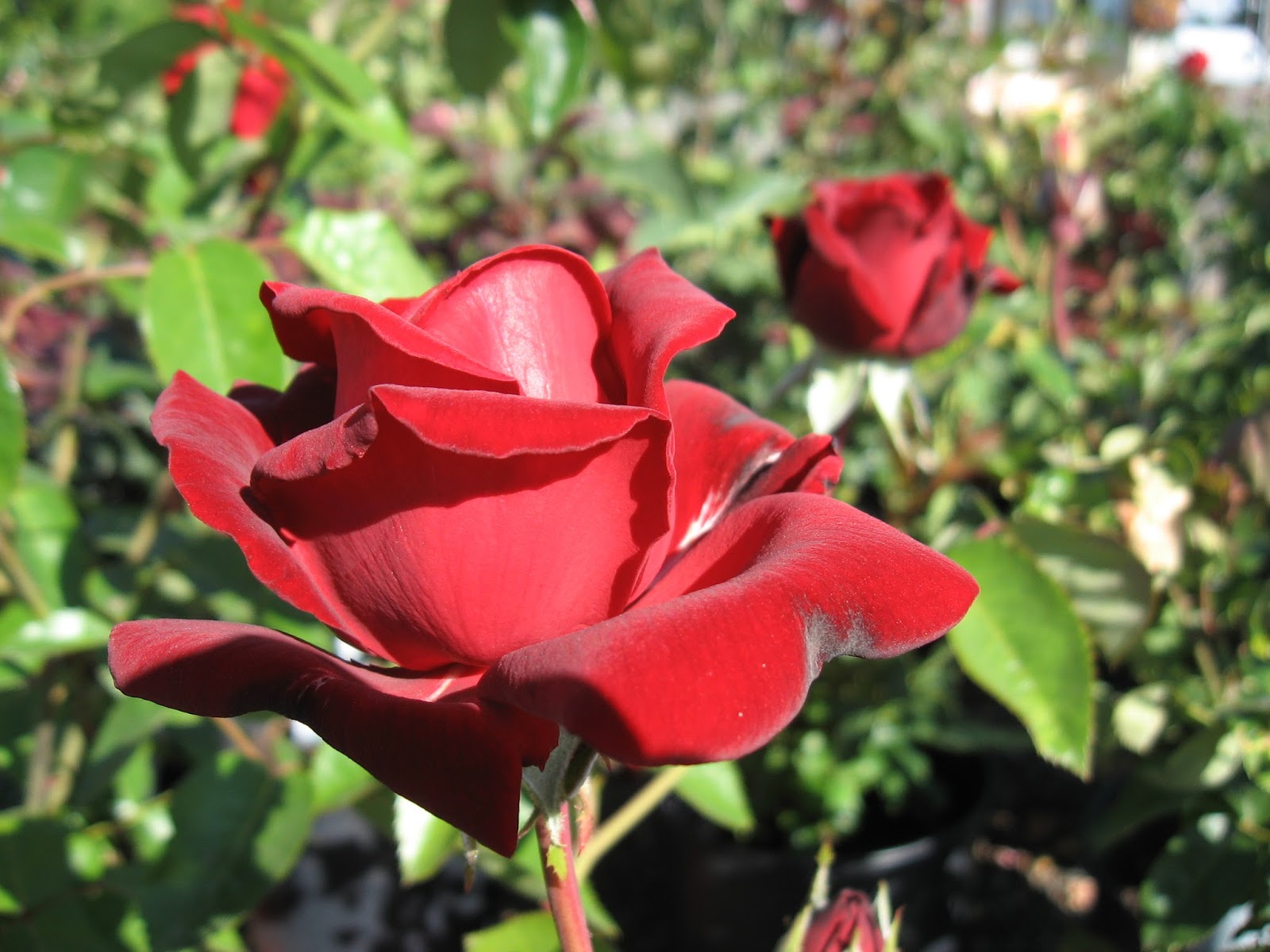
'Ingrid Bergman' hybrid tea rose--one of the best reds!

It’s June, and although the warm, dry weather feels more like late July, summer is only just begun. By now, your garden is likely planted, your flowers are growing and you’re beginning to see the fruits of your labors as plants do what they do best: look beautiful! With the new season upon us, here are a few tips to keeping your garden looking its best and a couple of plants sure to give you added color throughout the coming months.

Rose bushes are one of the most beautiful shrubs you can choose for your garden. With summer-long color, powerful fragrances, and the romance of a fresh-cut bouquet, they’re unmatched in beauty. But like all treasures, roses come at a price—insects love them and diseases like black spot and powdery mildew are ever-present foes. 

Minimize the cost of beautiful roses this summer by applying Bayer Rose & Flower Care now and every six weeks through the growing season. This liquid systemic fertilizer, insecticide, and disease control is a superior no-spray product that will take the effort out of growing roses and give you healthy, productive plants all season long. 

As we get into summer, routines change, but as far as your yard is concerned, it’s business as usual—and I’m guessing your lawn might be hungry by now. Chances are, a couple of months ago, you fed the lawn for spring and enjoyed a nice green-up. But now, as we get into summer, it’s important to feed once again. Remember, Scotts Turf Builder with Moss Control is a great fertilizer for greening up the lawn without encouraging too much growth (read: mowing!). Or, if your lawn would benefit from added nitrogen, Scotts Turf Builder will satisfy your lawn’s hunger with the additional benefit of micronutrients not found in generic lawn fertilizers. 

If your lawn is patchy or thin in spots, now is also a great time to overseed those areas. Rake through the bare or thin areas to gently loosen the soil, then spread some grass seed and starter fertilizer and cover with a light layer of crumbled peat moss. Keep it watered regularly to encourage germination—with our warm soil temperatures, you should see seeds sprouting in about a week.   

Now, maybe you’re still in planting mode—sure, spring was early this year, but that doesn’t mean it’s too late to plant! If you’re still looking to fill some planters or add a splash or two of color around the yard, there are plenty of options. One flower you simply can’t go wrong with is the trusty geranium. But just because it’s a dependable, old stand-by, doesn’t mean it can’t be exciting.

'Tango Orange' geraniums in mass planting
with marigolds at the nursery
Two of my favorite varieties I’ve come across over the last several years are sure to provide color and interest in your garden. ‘Tango Orange’ is about as true an orange as you’ll find in geraniums—a beautiful shade that will have your neighbors talking. ‘Calliope Dark Red’ has large, deep crimson flowers and a semi-trailing growing habit, making it a great modern replacement for messy, old-fashioned ivy geraniums. 

Another flower great for filling those last spaces in the garden is calibrachoa. Now, you’ve seen this plant used in hanging baskets and planters for years, but have you ever tried it in the garden? As a garden plant, calibrachoa (also known as ‘million bells’) makes a nice groundcover, each plant spreading out to about 18 inches. 

Finally, enjoy. Gardening is meant to be fun, and if you make it all about work, you’ve missed the point. Take some time each week to simply admire. Your garden is a beautiful place; don’t miss out!

June 17, 2015

All Roses on Sale!

'Ebb Tide' Rose
We love roses--they're one of our favorite plants for color, fragrance and class both in the garden as as a fresh bouquet in the home. And right now, they're all on sale! Whether you're starting your first rose garden or adding on to an established planting of roses, we have a great selection of rose bushes to choose from.

For a limited time, our entire selection of roses is on sale at Buy 3, Get 1 FREE! Stop in soon for the best selection; for a complete list of the rose varieties we carry, visit our website. Please note that the list of varieties we carry may not reflect current availability--once this sale starts, many varieties sell out fast!

For all your roses, we recommend treating every six weeks with Bayer Advanced Rose & Flower Care. This all-in-one systemic eliminates the need to spray your roses; in one easy-to-use application it provides fertilizer, disease prevention and protection from insect problems. Get $10 back on your purchase of Bayer Advanced Rose & Flower Care with a mail-in rebate available at Vander Giessen's.

Summer is upon us, and nothing says summer like a fresh bouquet of roses on the kitchen table. Enjoy a rose bush--or four--in your garden for years to come and take advantage of our sale today!